The phrase metal cutting circular saw covers two quite different purchases: a purpose built saw that runs slower and contains hot chips, or an ordinary saw fitted with a metal blade. Both work. They are not equivalent and the difference matters for safety.
A dedicated metal saw runs at a lower blade speed, has a fully enclosed guard with a chip collection path, and usually a lower gear ratio so the motor is not straining at that speed. A wood saw with a metal blade fitted does none of that.
This is a smaller field than the wood saw market, so this is four products rather than a forced five, and two of them are blades because for most people that is the honest answer.
Top picks at a glance
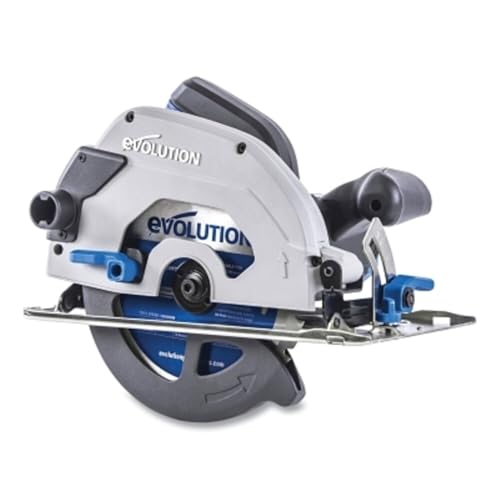
Evolution S185CCSL
- 7-1/4 in
- Purpose built metal saw
- Mild steel and more
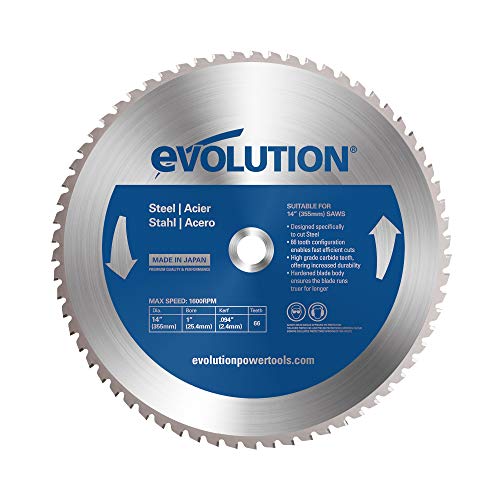
Evolution Power Tools 14BLADEST Blade
- For mild steel
- Replacement blade
- Circular and chop saws

TWIN-TOWN 7-1/4-Inch 48 Teeth Dry Cut Steel and
- 7-1/4 in, 48T
- Cermet dry cut
- Standard saws within rpm rating
The lineup compared
| Product | Blade | Type | Cuts | Guard | Fits | Price band | Score |
|---|---|---|---|---|---|---|---|
| 1. Evolution S185CCSL Best dedicated metal saw | 7-1/4 in | Purpose built metal saw | Mild steel and more | Enclosed with chip collection | n/a | Around $180 to $215 | 9.0 |
| 2. Evolution Power Tools 14BLADEST Blade Best blade for that saw | For mild steel | Replacement blade | Mild steel | n/a | Circular and chop saws | Around $85 to $105 | 8.6 |
| 3. TWIN-TOWN 7-1/4-Inch 48 Teeth Dry Cut Steel and Best value cermet blade | 7-1/4 in, 48T | Cermet dry cut | Steel and ferrous metal | n/a | Standard saws within rpm rating | Around $19 to $26 | 8.4 |
| 4. FOXBC 7-1/4 inch Circular Saw Blade Metal and Best for stainless and thin wall | 7-1/4 in, 48T | Metal and stainless | Steel, stainless | n/a | Standard saws within rating | Around $22 to $30 | 8.1 |
1. Evolution S185CCSL, Best dedicated metal saw
- Blade
- 7-1/4 in
- Type
- Purpose built metal saw
- Cuts
- Mild steel and more
- Guard
- Enclosed with chip collection
- Price band
- Around $180 to $215
Built for the job rather than adapted to it. Lower blade speed matched to steel, an enclosed guard that keeps hot chips out of your face, and a chip collection path so the shop does not end up covered in hot swarf.
Who should buy it
Anyone cutting steel regularly. If metal work is a real part of what you do rather than an occasional job, a dedicated saw is safer and more pleasant than adapting a wood saw.
What to watch out for
It is a single purpose tool. It will not replace your wood saw and it will sit unused if metal is rare for you. Blades are also specific to it.
What works
- Blade speed correctly matched to steel
- Enclosed guard contains hot chips
- Chip collection keeps the shop clean
- Cuts cold, no discoloring
What does not
- Single purpose
- Blades are specific and cost more
- Not worth it for occasional cutting
2. Evolution Power Tools 14BLADEST Blade, Best blade for that saw
- Blade
- For mild steel
- Type
- Replacement blade
- Fits
- Circular and chop saws
- Cuts
- Mild steel
- Price band
- Around $85 to $105
The replacement blade for the saw above, and the reason its cost per cut is reasonable despite the price. Matched to the machine’s speed and designed for the guard, which off brand blades are not.
Who should buy it
Owners of the dedicated saw replacing a worn blade. Buying the matched blade rather than a generic one is the right call on a saw designed around it.
What to watch out for
Expensive for a single blade. Cost per cut is only good if you are actually cutting enough steel to wear it out.
What works
- Matched to the saw's speed and guard
- Long life in mild steel
- Cold cutting
- Fits chop saws as well
What does not
- High single purchase price
- Mild steel focus
- Overkill for light work
3. TWIN-TOWN 7-1/4-Inch 48 Teeth Dry Cut Steel and, Best value cermet blade
- Blade
- 7-1/4 in, 48T
- Type
- Cermet dry cut
- Fits
- Standard saws within rpm rating
- Cuts
- Steel and ferrous metal
- Price band
- Around $19 to $26
For most people this is the honest answer: a cermet dry cut blade fitted to the circular saw you already own, provided your saw’s rpm is within the blade’s rating. Forty eight teeth suits general steel section.
Who should buy it
Anyone whose metal cutting is occasional. Buying a dedicated machine for a few cuts a year makes no sense when a twenty dollar blade does the work.
What to watch out for
Check your saw’s rpm against the blade rating, and accept that you will not have a chip guard. Hot chips will come out of an open guard toward you. Eye protection and sleeves are not optional here.
What works
- Fits a saw you already own
- Cermet teeth for real steel cutting
- A fraction of the cost of a dedicated saw
- 48 teeth suits general section
What does not
- No chip containment on a wood saw
- Must check rpm rating
- Wood saw is not designed for the load
4. FOXBC 7-1/4 inch Circular Saw Blade Metal and, Best for stainless and thin wall

- Blade
- 7-1/4 in, 48T
- Type
- Metal and stainless
- Fits
- Standard saws within rating
- Cuts
- Steel, stainless
- Price band
- Around $22 to $30
Specified for stainless as well as mild steel, which matters because stainless work hardens if the tooth dwells rather than cuts. Adequate tooth count for general section work.
Who should buy it
Anyone with stainless in the mix: balustrade, food industry work, marine fittings.
What to watch out for
Stainless is harder on any blade than mild steel. Expect noticeably shorter life, and keep the feed steady rather than hesitant, because dwelling work hardens the material ahead of the tooth and makes the next cut worse.
What works
- Rated for stainless as well as mild steel
- 48 teeth suits general section
- Cold cutting
- Reasonable price for the capability
What does not
- Shorter life in stainless
- Needs a steady feed
- Same rpm rating check as any metal blade
Dedicated saw or wood saw with a metal blade
What a dedicated metal saw actually gives you
Three things. A lower blade speed matched to steel, because wood saw speeds destroy metal blades and overheat the cut. An enclosed guard that catches hot chips, which on an open wood saw guard come straight out at the operator. And gearing that lets the motor produce torque at that lower speed rather than straining.
When a wood saw plus a blade is genuinely fine
If your saw’s rpm is within the blade’s rating and your metal cutting is occasional, this is a reasonable and widely used approach. Wear eye protection and long sleeves, clamp the work, and accept that chips will fly. What you must not do is fit a blade rated below your saw’s speed.
Chips are the underrated hazard
Cold cut blades leave the workpiece cool and the chips hot. They are sharp, they travel, and they will burn skin and melt into clothing. This is the main practical argument for a saw with an enclosed guard if you cut metal often.
Abrasive discs still exist for a reason
For occasional cuts in awkward positions, a chop saw or an angle grinder with an abrasive disc is quicker to set up and cheaper. It burns the edge and throws sparks, but for a cut that will be welded or ground anyway, that does not matter.
Tooth count still governs
Everything from the blade guide applies. At least three teeth in the cut. Sixty plus for thin wall, 40 to 48 for general section. This does not change because the saw is different.
- Check rpm rating against your saw before fitting any metal blade.
- Buy a dedicated saw only if metal is a regular part of your work.
- Clamp the work every time.
- Eye protection and sleeves. Hot chips are the real hazard, not the blade.
- Deburr cuts before handling.
For blade selection in detail see metal cutting blades and blades for aluminum, which needs different geometry entirely.
Frequently asked questions
Do I need a special saw to cut metal?
Not necessarily. A standard circular saw with a correctly rated metal blade will cut steel, provided the saw’s rpm is at or below the blade’s maximum. A dedicated saw adds a lower speed and a chip guard, which matters if you cut metal often.
Is cutting metal with a wood saw dangerous?
It is manageable with the right blade and proper protection. The specific dangers are hot chips from an open guard and fitting a blade rated below the saw’s speed. The second is the one that can be catastrophic.
What is a dry cut saw?
A metal cutting saw that runs without coolant, using cermet or carbide teeth at a speed low enough that heat does not destroy the edge. The cut face stays cool enough to touch.
Can I cut rebar with a circular saw?
With a metal blade or an abrasive disc, yes, though a reciprocating saw or an angle grinder is usually easier. Clamp it, because unrestrained rebar under a saw moves.
Will a metal blade fit my saw?
Check three things: diameter, arbor size, and maximum rpm. The first two are obvious and the third is the one people skip.
The bottom line
If metal is a regular part of your work, buy the dedicated saw. Correct speed and an enclosed chip guard are worth the money once you have had hot swarf down your collar.
If metal is occasional, fit a cermet blade to the saw you own, check the rpm rating first, and wear proper protection. That is the honest answer for most woodworkers and it costs twenty dollars rather than two hundred.
Leave a Reply