
The two circular saw layouts are not versions of the same tool. They handle differently, they weigh differently, and the blade sits on opposite sides.
A sidewinder, sometimes called an in line saw, has the motor beside the blade turning it directly. Light, fast blade speed, and usually blade right. A worm drive has the motor behind the blade driving through a right angle gearset. Heavier, more torque, lower blade speed, and blade left.
Neither is better. They suit different work, and the blade side matters more day to day than most people expect.
Top picks at a glance

SKILSAW SPT77W-01 15-Amp 7-1/4-Inch Aluminum Worm
- Worm drive
- 15
- 7-1/4 in, left
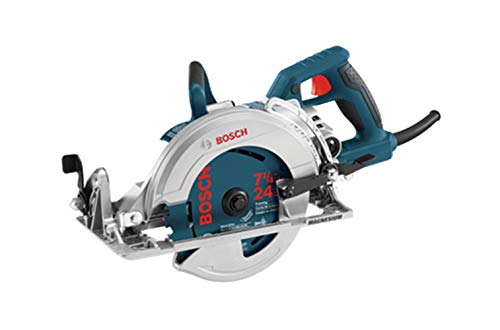
Bosch 7-1/4-Inch Worm Drive Circular Saw CSW41
- Worm drive
- 15
- 7-1/4 in, left

DEWALT FLEXVOLT 60V MAX* Circular Saw
- Worm style, cordless
- 60V
- 7-1/4 in, left
The lineup compared
| Product | Layout | Amps | Blade | Body | Volts | Supplied | Price band | Score |
|---|---|---|---|---|---|---|---|---|
| 1. SKILSAW SPT77W-01 15-Amp 7-1/4-Inch Aluminum Worm Best worm drive | Worm drive | 15 | 7-1/4 in, left | Aluminum | n/a | n/a | Around $175 to $205 | 9.1 |
| 2. Bosch 7-1/4-Inch Worm Drive Circular Saw CSW41 Best built worm drive | Worm drive | 15 | 7-1/4 in, left | Cast | n/a | n/a | Around $255 to $295 | 8.7 |
| 3. DEWALT FLEXVOLT 60V MAX* Circular Saw Best cordless worm style | Worm style, cordless | n/a | 7-1/4 in, left | n/a | 60V | Tool only | Around $285 to $320, bare tool | 8.5 |
| 4. SKILSAW SPT67WL-01 15 Amp 7-1/4 In. Sidewinder Best sidewinder | Sidewinder | 15 | 7-1/4 in, left | Composite | n/a | n/a | Around $100 to $125 | 8.9 |
| 5. SKILSAW SPT67WMB-01 15 Amp 7-1/4 In. Magnesium Best light sidewinder | Sidewinder | 15 | 7-1/4 in, left | Magnesium | n/a | n/a | Around $165 to $195 | 8.6 |
1. SKILSAW SPT77W-01 15-Amp 7-1/4-Inch Aluminum Worm, Best worm drive
- Layout
- Worm drive
- Amps
- 15
- Blade
- 7-1/4 in, left
- Body
- Aluminum
- Price band
- Around $175 to $205
The saw most framers reach for. The worm gearset multiplies torque, so it drives through wet lumber and thick stock without bogging in a way sidewinders do not, and the blade left layout gives a right handed user a clear view of the cut line.
Who should buy it
Framing, decking, wet treated lumber, anything where you cut all day and the saw needs to keep pulling. Also anyone who wants the blade on the left.
What to watch out for
It is heavy, noticeably so overhead or on a ladder, and the gearset needs oil checked periodically. It is also longer than a sidewinder, which matters cutting between joists.
What works
- Torque that does not fade in thick wet stock
- Blade left for a clear sightline
- Aluminum body survives site abuse
- The framing standard for good reason
What does not
- Heavy for overhead work
- Needs gear oil maintenance
- Longer body in tight spaces
2. Bosch 7-1/4-Inch Worm Drive Circular Saw CSW41, Best built worm drive
- Layout
- Worm drive
- Amps
- 15
- Blade
- 7-1/4 in, left
- Body
- Cast
- Price band
- Around $255 to $295
A more refined take on the same layout: smoother gearset, better guarding and adjustment quality. You pay meaningfully more for build rather than for capability.
Who should buy it
Anyone who uses a worm drive daily and would rather have the better made one. The difference is felt in adjustments and vibration, not in cut capability.
What to watch out for
Costs substantially more than the Skilsaw for the same job. If the saw lives on a site and gets abused, the cheaper one is the better economic choice.
3. DEWALT FLEXVOLT 60V MAX* Circular Saw, Best cordless worm style
- Layout
- Worm style, cordless
- Volts
- 60V
- Blade
- 7-1/4 in, left
- Supplied
- Tool only
- Price band
- Around $285 to $320, bare tool
Worm drive layout and blade left sightline without a cord, on a 60V platform with enough current to actually frame. This is the closest cordless comes to replacing a corded worm drive.
Who should buy it
Framers and deck builders who want the layout and the cordless freedom, and who are already on or willing to join the 60V platform.
What to watch out for
Bare tool, and 60V packs are expensive. Weight with a large battery fitted is considerable, which is the usual cordless framing compromise.
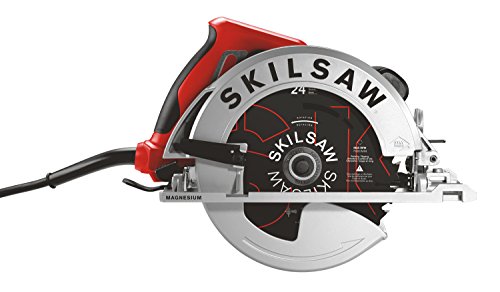
4. SKILSAW SPT67WL-01 15 Amp 7-1/4 In. Sidewinder, Best sidewinder
- Layout
- Sidewinder
- Amps
- 15
- Blade
- 7-1/4 in, left
- Body
- Composite
- Price band
- Around $100 to $125
A sidewinder with the blade on the left, which is the combination a lot of people actually want: the light weight and higher blade speed of an in line saw with the clear sightline of a worm drive.
Who should buy it
Anyone who likes the blade left view but does not want to carry a worm drive all day. Particularly good for anyone working overhead or on a ladder.
What to watch out for
Blade left on a sidewinder puts the weight of the motor over the offcut rather than the supported side, which takes adjustment if you have used blade right saws for years.
5. SKILSAW SPT67WMB-01 15 Amp 7-1/4 In. Magnesium, Best light sidewinder

- Layout
- Sidewinder
- Amps
- 15
- Blade
- 7-1/4 in, left
- Body
- Magnesium
- Price band
- Around $165 to $195
Magnesium construction gives a rigid base and body at low weight, which is exactly the specification that matters most in a saw you hold up. Blade left again for the sightline.
Who should buy it
Anyone doing a lot of overhead or awkward position cutting who wants rigidity without the worm drive weight penalty.
What to watch out for
Magnesium costs more than composite and dents rather than flexes if dropped hard. It is a workshop and finish carpentry proposition more than a site abuse one.
Which layout suits your work
Torque against speed
A worm gearset trades blade rpm for torque. That means a worm drive keeps cutting when a sidewinder would bog, which shows up in wet treated lumber, thick stock and long rips. A sidewinder spins faster, which gives a cleaner cut in thin material and dry timber.
Weight is the real difference day to day
A worm drive typically weighs several pounds more, and all of that is felt overhead or at the top of a ladder. If most of your cutting is at bench height, weight barely matters. If it is above your shoulders, it dominates everything else.
Blade side matters more than people expect
For a right handed user, a blade left saw puts the cut line in clear view and the motor over the supported side of the board. A blade right saw hides the line behind the motor and puts the weight over the offcut. Most sidewinders are blade right, most worm drives are blade left, and blade left sidewinders exist specifically because people want the combination.
Left handed users
Everything above inverts. A left handed user generally gets the better sightline from a blade right saw, which is the common sidewinder layout. This is one of the rare cases where the mainstream option suits left handers better.
Length and access
A worm drive is longer front to back, which matters cutting between joists, in stud bays or anywhere the saw body can foul before the blade reaches the end of the cut.
- Framing and wet lumber, all day: worm drive.
- Overhead, ladder work, general carpentry: sidewinder.
- Want the sightline without the weight: blade left sidewinder.
- Left handed: a standard blade right sidewinder usually suits you better.
- Cutting in tight bays: sidewinder, for the shorter body.
For the wider corded field see best 7-1/4 inch circular saws, and for blade left specifically, left handed and blade left saws.
Frequently asked questions
Is a worm drive saw better than a sidewinder?
Not better, different. A worm drive has more torque and a blade left sightline at the cost of weight. A sidewinder is lighter and faster. Framers tend to prefer worm drives, general carpenters tend to prefer sidewinders.
Why are worm drive saws blade left?
It is a consequence of the layout: the motor sits behind the blade and the gearset drives it from one side. It happens to give right handed users a clear view of the cut, which is a large part of why framers like them.
Do worm drive saws need maintenance?
Yes. The gearset runs in oil and the level needs checking periodically. A sidewinder has no equivalent requirement, which is one point in its favour for occasional users.
Are worm drive saws slower?
Lower blade rpm, yes. Slower through a cut, usually not, because the extra torque means the blade does not slow under load. In thin dry material a sidewinder will be quicker.
Which should a beginner buy?
A sidewinder, almost always. Lighter, cheaper, no gear oil to think about, and enough saw for everything short of all day framing.
The bottom line
If you frame, cut wet lumber, or spend all day with a saw in your hands, buy a worm drive and accept the weight. The torque and the sightline are what the layout is for.
For everyone else a sidewinder is the better tool, and if you want the blade left view without the weight, blade left sidewinders exist and are the quiet best answer for a lot of people.
Leave a Reply